Your cart is currently empty!
Why the charts miss the everyday experience
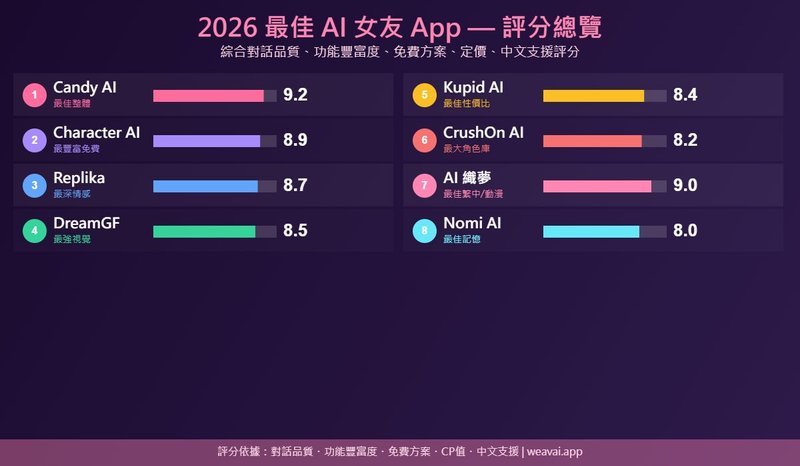
When I opened the latest wave of ranked ai girlfriend apps, a glossy list promised “perfect conversation” and “24‑hour availability.” Those headline numbers felt reassuring, but they ignored a key reality: how the app behaves in a typical UK household. That’s what I set out to test.
What the app actually delivers
The companion runs on a cloud‑based GPT‑4 engine with a front‑end that works on both iOS and Android. On first launch it asks for a name, a few personality cues, and a tone preference. Within seconds it can answer a question about the weather or crack a joke. The optional voice module uses a neutral British accent, switching to a regional dialect if you request it. The image feature lets you upload a photo to create a visual avatar, but the rendering quality tops out at 512×512 pixels, so the avatar looks slightly pixelated when zoomed in.
Pros that matter to UK users
A standout feature is the memory window: the app keeps the last 12 interactions in a local cache, allowing it to reference earlier topics without needing to re‑ask. This builds a sense of continuity during a busy day. The app also offers a “privacy mode” that deletes all conversation logs after each session, which is reassuring for those concerned about data residency. Finally, the free tier lets you try the core features for two weeks; after that, a modest monthly fee unlocks longer memory and priority access to new voice packs.
Cons that pull the experience down
Despite the polished interface, the AI’s personality can feel flat after a dozen exchanges. It leans heavily on canned responses when asked for opinions on niche topics like local football clubs or the latest UK policy debates, limiting depth and making the conversation feel scripted. Another drawback is the lack of real‑time emotion detection; the app doesn’t adjust its tone based on your mood cues, which can be jarring when you’re in a hurry or feeling stressed. For users who value emotional nuance, this is a significant gap.
How it stacks against the broader market
Compared to the broader landscape of AI companion apps, the main differentiator is the emphasis on British cultural references. Most competitors default to American slang, which can feel out of place for UK users. However, the app’s content filters are less granular than those of some rivals, meaning you might encounter a broader range of topics that are less tailored to your interests. If you’re looking for a highly customizable personality, you’ll find the options somewhat limited compared to other platforms that allow deeper scripting of responses.
Practical take‑away for the everyday user
For someone who wants a quick, lighthearted chat partner that respects privacy, this app is a solid choice. The free trial is generous enough to explore the core functions, and the paid plan’s price point is competitive with other AI chat services. However, if you expect the companion to act like a close friend who can dive into local gossip or adapt to your emotional state, you’ll notice the current version falls short. Keep in mind that the app is designed for adults; responsible use is advised, especially if you share personal details.
Where to learn more
Those curious about how different services stack up can consult the AI companion app rankings to see a side‑by‑side comparison of features and user feedback.
Final thoughts
The app offers a polished, UK‑centric experience that works well for casual conversation and quick information checks. Its main limitations lie in personality depth and emotional responsiveness, which may deter users seeking a more engaging, long‑term companion. If you’re willing to trade a bit of nuance for a straightforward, privacy‑friendly chatbot, this app deserves a place on your shortlist.
Leave a Reply